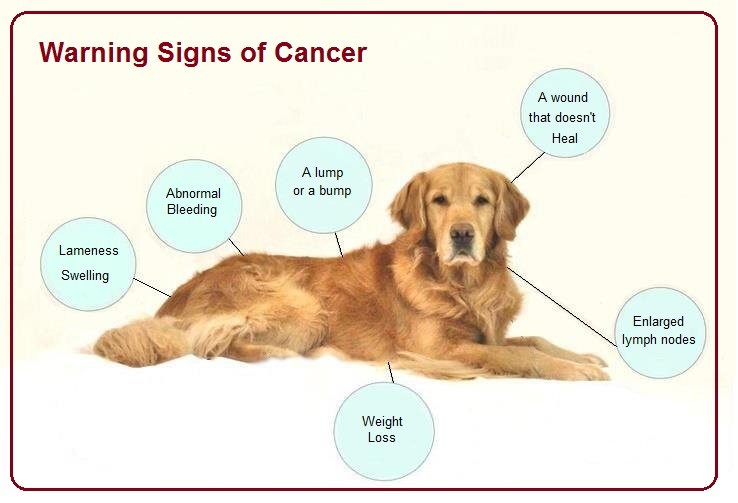
How Long Can A Dog Survive With Bone Cancer : Cancer in Dogs and Cats | Cancer in Animals | Long Beach ... : Bone marrow cancer average cost.. If your dog is 8, and the average lifespan for his weight and breed is 10 years, and your veterinarian tells you that his survival time for his cancer is about 18 months to two years, and calls that a long time, he's right from a medical perspective. However, bone cancer is often fatal, even with surgery and therapy, and many pet. Considering the lifetime risk of cancer for dogs is between 1 in 2 and 1 in 3, we can calculate that 1.5 to 2.5 million of the 72 million pet dogs in the united states today will get hemangiosarcoma and succumb from it. Osteosarcoma in dogs is a primary bone tumour. This information was relayed to both owners, including expected quality of life, both with and without treatment.
It can be found in the tissue outside the bone, though this is rare. Though the rapid spread of the cancer means survival rates are usually poor (with treatment, 50 percent of dogs will survive for a maximum of 1 year), there have been rare stories of hope. Chemotherapy is a common treatment to help slow the spread of the disease—as left untreated, the average life expectancy for dogs after diagnosis under three months. Dog #1's owners elected to pursue treatment. If your dog is suspected of having multiple myeloma, a veterinary oncologist would best manage the definitive diagnosis and treatment of your dog.
How does cancer spread in cats and dogs from www.petcancercenter.org According to scientists, the average lifespan of those dogs is about 2 to 3 months. Most bone cancers in dogs are very dangerous and have a high mortality rate. The information here focuses on primary bone cancers (cancers that start in bones) that most often are seen in adults. If your dog is suspected of having multiple myeloma, a veterinary oncologist would best manage the definitive diagnosis and treatment of your dog. Survival odds are based strongly on how early it is detected. It can be found in the tissue outside the bone, though this is rare. Considering the lifetime risk of cancer for dogs is between 1 in 2 and 1 in 3, we can calculate that 1.5 to 2.5 million of the 72 million pet dogs in the united states today will get hemangiosarcoma and succumb from it. This information was relayed to both owners, including expected quality of life, both with and without treatment.
Wiltzius, if a biopsy shows a high grade bone cancer, that doesn't necessarily mean that the dog won't live longer than dog with a low grade bone cancer.
90% of dogs will die of this disease within one year if surgery is the only treatment attempted. However, some dogs have been known to live up to five or six years after treatment. The american veterinary medical association (avma) reports that one in four dogs will develop cancer at some time in their life and that 50% of pets over the age of 10 will develop cancer. Only 2% of dogs with only amputation are still alive at two years. A dog with a low grade bone cancer might not last as long as a dog with a higher grade. Dogs who have an amputation followed by chemotherapy may live up to a year. A childhood friend who is now a vet tried to provide hope by urging us to do the full chemo protocol asap! that could send. Here are more numbers, or stats: Survival odds are based strongly on how early it is detected. Most bone cancers in dogs are very dangerous and have a high mortality rate. The endearing habits, the joy, the unquestioning devotion your animal gave you fill your heart as you confront the expected loss. The prognosis for bone cancer in dogs depends on the severity and spread of the disease and on the treatment you choose. It's often found in the long bones of the legs and arms.
However, bone cancer is often fatal, even with surgery and therapy, and many pet. Many of us view our dog as a beloved member of the family to whom we have made a commitment. The prognosis for bone cancer in dogs depends on the severity and spread of the disease and on the treatment you choose. While some pet parents discover a dog's cancer during a drastic decline in their health, others may discover the issue during a routine exam of their happy pup. Only 2% of dogs with only amputation are still alive at two years.
Canine Cancer | Symptoms and Treatment | The Vet Is In from drbillspetnutrition.com Dog #1's owners elected to pursue treatment. However, bone cancer is often fatal, even with surgery and therapy, and many pet. The american veterinary medical association (avma) reports that one in four dogs will develop cancer at some time in their life and that 50% of pets over the age of 10 will develop cancer. We invite you to read their stories. Jack has an aggressive cancer coursing throughout his body. However, the prognosis remains poor with surgery alone; Dogs with limb osteosarcoma that receive srs and chemotherapy have a median survival time of about one year, similar to the survival time for dogs treated with amputation and chemotherapy. Dogs with amputation only almost all die within in one year;
Dogs with amputation only almost all die within in one year;
Osteosarcoma in dogs is a primary bone tumour. A dog with a low grade bone cancer might not last as long as a dog with a higher grade. With amputation alone, most dogs only live four or five months. Many dogs who successfully go through treatment live for another year, and some live for another five to six years. This information was relayed to both owners, including expected quality of life, both with and without treatment. Median survival times for osa cases with amputation and no other treatment is about four to five months. It's often found in the long bones of the legs and arms. However, the prognosis remains poor with surgery alone; When various types of cancer spread to the bones, you may be worried about life expectancy. Information on osteosarcoma, ewing tumors (ewing sarcomas), and bone metastasis is covered separately. It's sad to say, but dogs with bone cancer do not have a very long life expectancy, especially if the cancer has metastasized. The information here focuses on primary bone cancers (cancers that start in bones) that most often are seen in adults. Osteosarcoma is the most common type of bone cancer.
Dog #1's owners elected to pursue treatment. According to scientists, the average lifespan of those dogs is about 2 to 3 months. A dog with a low grade bone cancer might not last as long as a dog with a higher grade. The standard of care is surgery (amputation of limb sparing surgery) with adjuvant chemotherapy. When your dog is nearing the end of his/her life, the emotional weight that falls upon you can be tremendous.
Leukemia In Dogs: Symptoms, Causes, And Treatments - Dogtime from cdn3-www.dogtime.com Information on osteosarcoma, ewing tumors (ewing sarcomas), and bone metastasis is covered separately. And the reverse is true; Bone marrow cancer average cost. Osteosarcoma in dogs is a primary bone tumour. Life expectancy for dogs with bone cancer even with aggressive treatment options such as amputation and chemotherapy, your dog's life expectancy is only about a year. However, some dogs have been known to live up to five or six years after treatment. While some pet parents discover a dog's cancer during a drastic decline in their health, others may discover the issue during a routine exam of their happy pup. But new treatments are being developed all the time, and there are ways to improve and extend life.
Despite what research studies suggest, neither dog lived to their expected survival.
The endearing habits, the joy, the unquestioning devotion your animal gave you fill your heart as you confront the expected loss. Wiltzius, if a biopsy shows a high grade bone cancer, that doesn't necessarily mean that the dog won't live longer than dog with a low grade bone cancer. Signs dogs can live with cancer while there are many different signs that dogs can live with cancer, the biggest sign is that dogs do it all the time. With treatment, survival time is about 12 months. However, the prognosis remains poor with surgery alone; While some pet parents discover a dog's cancer during a drastic decline in their health, others may discover the issue during a routine exam of their happy pup. When various types of cancer spread to the bones, you may be worried about life expectancy. But new treatments are being developed all the time, and there are ways to improve and extend life. Considering the lifetime risk of cancer for dogs is between 1 in 2 and 1 in 3, we can calculate that 1.5 to 2.5 million of the 72 million pet dogs in the united states today will get hemangiosarcoma and succumb from it. Survival odds are based strongly on how early it is detected. When your dog is nearing the end of his/her life, the emotional weight that falls upon you can be tremendous. A dog with a low grade bone cancer might not last as long as a dog with a higher grade. Cancer is not a death sentence for your dog.